

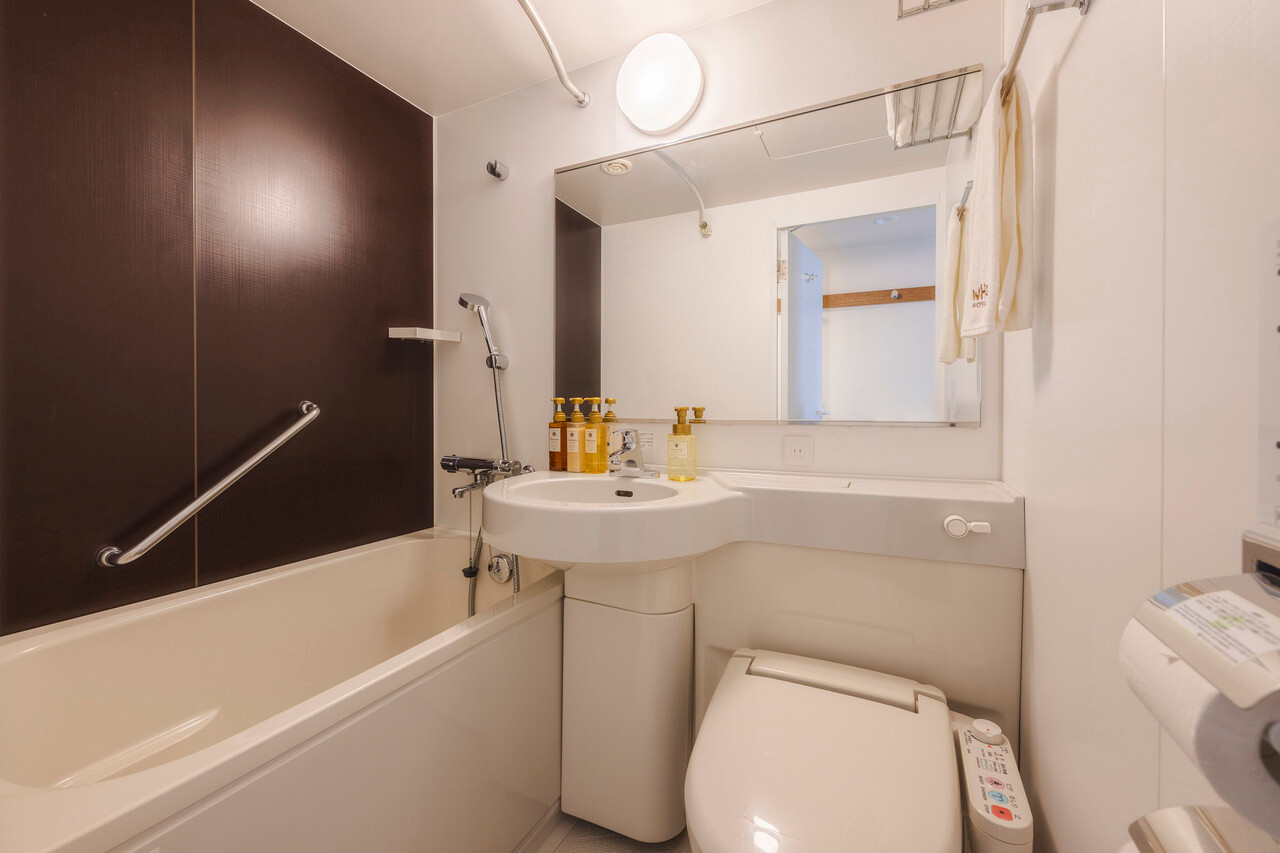
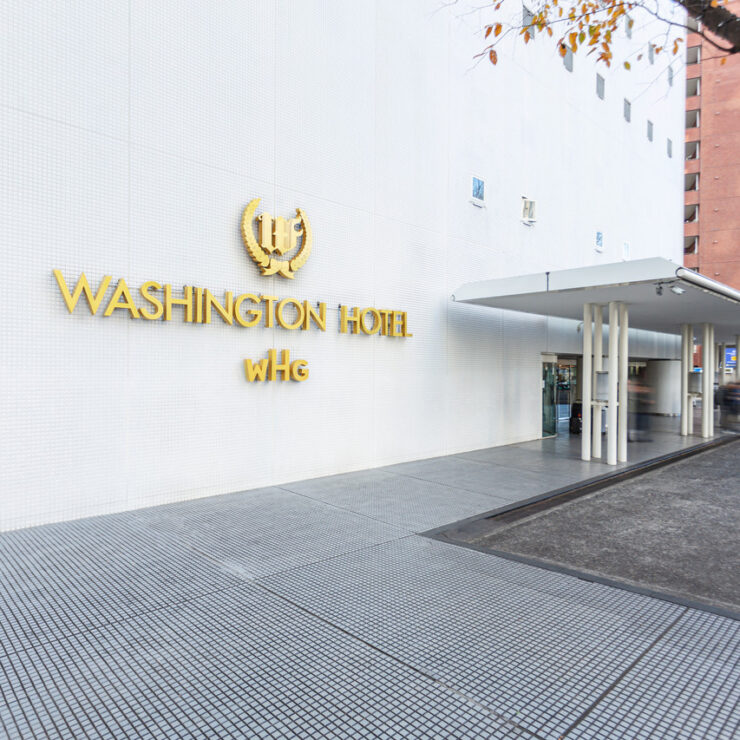
Japanese hotels run on unwritten rules that foreign guidebooks skip — and guests who know them get smoother stays, faster service and the quiet goodwill that makes Tokyo feel magical. This guide translates those rules for the Shinjuku Washington Hotel specifically: a 1,281-room western-style tower where the customs apply in softened, practical form. 🎎
👟 The Slipper System (Where Shoes Come Off)
Western-style towers like this one keep shoes ON in rooms and lobby — but slippers appear the moment you go Japanese-mode:
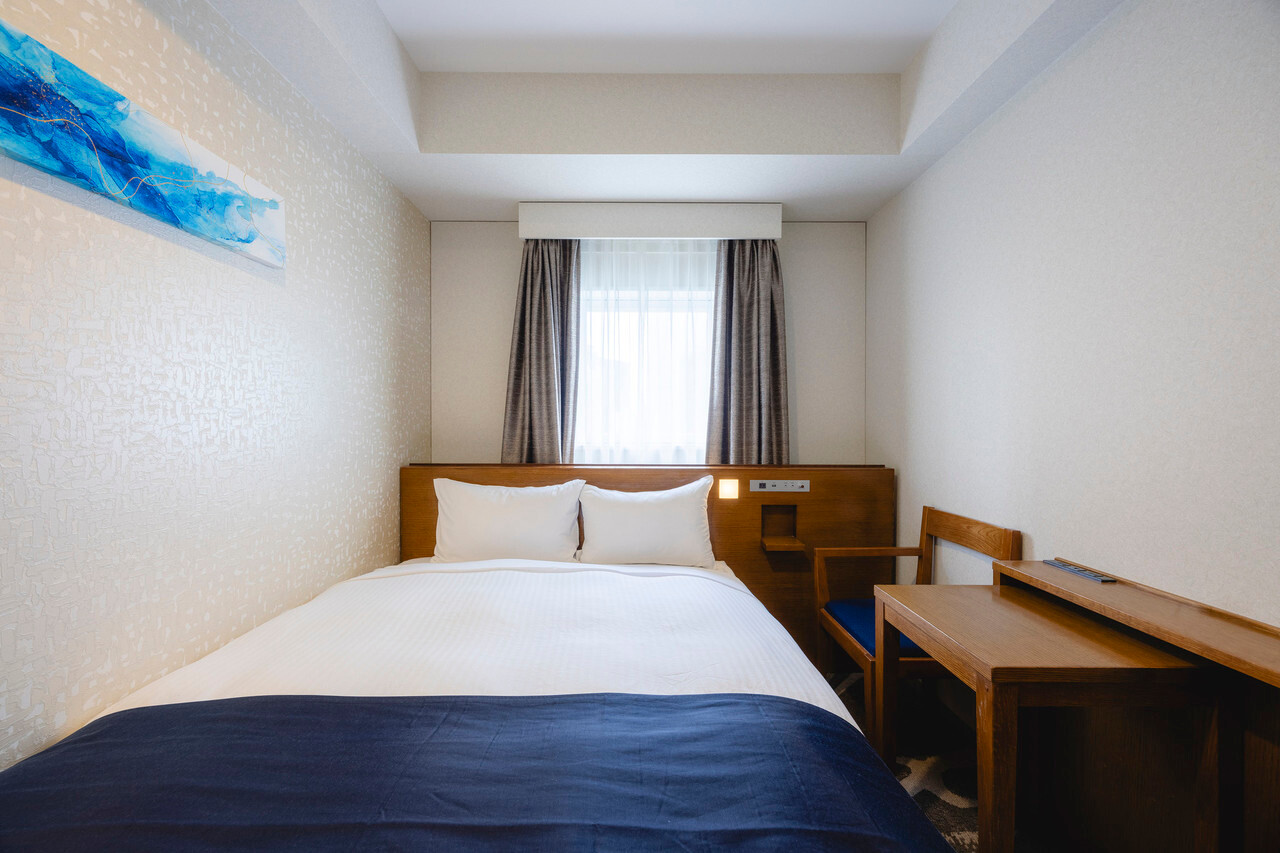
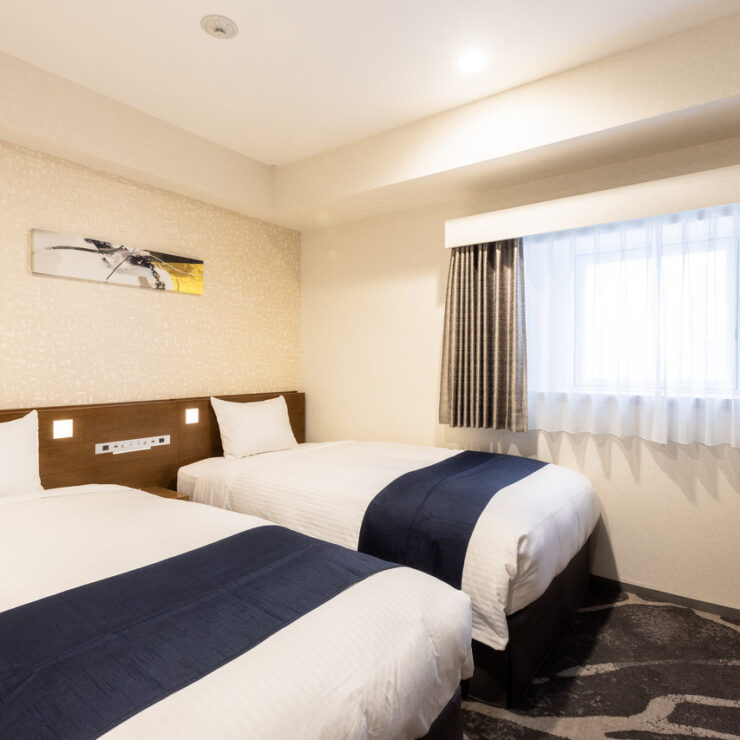
- 🛌 In-room: hotel slippers wait beside the bed; wearing them is optional but recommended — Japanese floors-in-socks culture runs deep, and housekeeping resets them daily.
- 🚻 The toilet-slippers exception: in traditional venues and ryokans, separate toilet slippers exist. This hotel’s unit bathrooms do not require them — but if you see dedicated pairs somewhere, the rule applies. 🚽
- 💺 Lounge/massage areas: some carpeted facilities ask for slippers off or on per posted signs — follow the pictogram.
- 🧳 Storage area: the free luggage room runs self-serve; shoes stay on, hands stay kind (stack cages back).
💡 The one universal rule: never wear outdoor shoes onto tatami or up on furniture anywhere in Japan. This hotel has little tatami — but the reflex matters at every ryokan, temple and restaurant you will visit this trip. 🥿
💴 No Tipping — And What To Do Instead
Tipping in Japan ranges from unnecessary to confusing-to-offensive. The service here is excellent (Trip.com’s Service score: 8.5/10) and it is priced into the room:
| Situation | Do | Don’t |
|---|---|---|
| 🧹 Housekeeping | Leave no cash; a tidy room + thank-you nod works | No US-style tip envelopes |
| 🛎 Porters/front desk | A bow + “arigatou gozaimasu” | No cash handoffs |
| 🍽 Hotel restaurants | Service charge appears on the bill if applicable | No extra for servers |
| 🎁 Going above | Small omiyage (regional snacks) at longer stays — optional, charming | No money ever |
Politeness itself is the currency: “sumimasen” (excuse me) summons help; “arigatou gozaimashita” closes transactions. Staff remember guests who use them. 🗣
🗑 Garbage, Trays and the Tidy-Room Convention
Japanese hotel rooms handle garbage differently — andkonbini purchases multiply trash fast:
- 🗑 Sort at the source: konbini bags separate burnable/plastic/bottles. Room bins are single — staff re-sort, but stacking trash neatly (bottles upright, wrappers compacted) earns visible appreciation.
- 🏪 Konbini eating: eating AT the konbini counter is fine (small standing spaces exist); carrying open food into elevators is the faux pas — finish or carry closed. 🍙
- 🍽 Tray returns: basement-floor and tower-cafeteria venues run tray-return stations — glance around and copy the locals. 🥢
- 🧹 Room reset ritual: hang the “please clean” tag on the handle for housekeeping; the “do not disturb” sign overrides. Daily cleaning is standard — used towels go on the floor or rack per the card. 🧺
🔇 Noise, Corridors and the 22:00 Social Contract
Tokyo towers run quieter than Western hotels by mutual contract:
- 🎧 Room volume after 22:00: TV audio down, calls short — walls here are thin enough that politeness is audible. 🎧
- 🚪 Door discipline: close doors with a hand, not a slam; the 14:00 check-in wave and 07:00 business exodus both reward quiet hinges.
- 📱 Phone calls in corridors: the lobby and 3F lounge are the call zones; stairwells are echo chambers.
- 👥 Group chatter: the lobby’s massive evening turnover absorbs groups until ~23:00; after that, the street-level outdoor smoking area and Chuo Park edges are the conversation venues. 🌃
♨️ Bathing Culture (Even in a Western Tower)
The unit bath (shower-over-tub) follows the Japanese bathing logic even here:
- 🛁 Tub = soak, not wash: if you fill the tub, wash/rinse BEFORE entering (Japanese bath water is shared-philosophy clean). In solo western rooms, the rule is personal — but the reflex matters at onsen later.
- 🧼 Hair catchers & drain: some guests note older-style drainage — the small hair-catcher in the shower tray exists for a reason; use it, and let hot water run a minute first. 🚿
- 🧴 Amenity etiquette: the complimentary toiletries restock daily; taking home ONE opened bottle is normal, emptying the shelf is not. 🧴
- ♨️ Onsen preview: this trip’s onsen visits (Hakone day trips run from Shinjuku) require full wash-before-soak, no towels in water, hair tied up — practice the tower’s tub logic and the onsen rules click. ♨️
🛗 Elevator, Lobby and Staff Micro-Manners
- 🛗 Elevator queue: line left of the door, exit right; hold the door-close button for the rushing colleague — the small kindness locals notice.
- 🙇 Bow depth: a small head-nod for daily transactions; staff bow first, return it lightly — no deep仪式 needed.
- 💳 Payment tray: place cash/cards ON the tray at the counter, not into hands — the tray system is national infrastructure. 💴
- 🧾 Paperwork patience: check-in runs document-heavy (passport, tax registration); the 14:00 wave takes 10–15 minutes — a smile speeds everything.
- 🗣 Phrase kit: “Sumimasen” (excuse me) · “Arigatou gozaimasu” (thanks) · “Onegaishimasu” (please) — three phrases cover 90% of hotel interactions. 🎌
🚕 Street & Transport Etiquette (The Moving Hotel Rules)
The manners extend beyond the room — the taxi, train and street layer:
- 🚕 Taxi doors: they open automatically — never push or pull them. Luggage goes in with the driver’s help; the tray-payment rule applies inside. 🚕
- 🚃 Train quiet: no calls, headphones at low volume, backpacks worn on the front in crowds. Priority seats stay empty even when the car is packed — the rule is real. 🚇
- 🛗 Escalators: stand LEFT in Tokyo (opposite Osaka) — locals flow past on the right; tourists who stand right cause visible traffic jams.
- 🗑 Street bins: near-nonexistent — carry your trash to the konbini bin or the room. Eating while walking is tolerated but not admired; bench-eating is the elegant move. 🍙
- 🧍 Queue culture: every line forms single-file with metre-perfect spacing — join the line, don’t create the second one. 🧍
⛩ Shrine & Temple Visits: The Quick Ritual Guide
Meiji Jingu and the neighborhood shrines follow a simple sequence — learn it once, use it everywhere:
- 1️⃣ Bow at the torii gate before entering; walk the path EDGES (center is the deity’s path). ⛩
- 2️⃣ Temizuya wash: at the water pavilion, rinse left hand, right hand, then the mouth-sip with the ladle (never touch ladle to lips directly). 💧
- 3️⃣ At the main hall: coin in the offering box (¥5 is auspicious — “go-en” sounds like “connection”), two bows, two claps, one prayer, one final bow. 🙏
- 4️⃣ Ema plaques & omamori: write wishes at the stand; omamori charms last one year — return old ones to the shrine, not the bin.
- 5️⃣ Photos: fine everywhere except directly at the altar’s inner sanctum — watch the posted marks. 📸
💡 The hotel-side preview: practice the coin-bow-clap sequence at tiny Hanazono Shrine (east side, 1.3 km) before the big Meiji Jingu visit — locals find foreign politeness charming, and confidence at the ritual reads as respect. 🎌
📵 Digital Etiquette (Where the Rules Surprise People)
Japan’s phone and photo customs catch more travelers off-guard than any shoe rule:
- 🚇 Trains: no voice calls (text freely); “manner mode” for games/videos is default behavior — the silent-train rule is universal and enforced socially.
- 📸 Photos of people: ask before close-up street portraits; festival participants and maiko performers expect the request. 📸
- 🏯 Sacred spaces: shrine halls and temple interiors often ban photography — the small signs (撮影禁止) mean it; outside courtyards are fine.
- 🛗 Elevators/queues: screens face away from strangers; the shoulder-surfing ban is instinctive here.
- 📞 Voice calls: step into the hotel’s 3F lounge or the street for calls — the lobby handles it without judgment; corridors echo.
📋 The Etiquette Checklist (Tape It to the Fridge)
- 1️⃣ Slippers on indoors; outdoor shoes never on tatami or furniture. 🥿
- 2️⃣ No tips — bow + “arigatou gozaimashita” instead. 🙇
- 3️⃣ Cash/cards ON the counter tray, not in hands. 💴
- 4️⃣ “Sumimasen” summons help; “Onegaishimasu” requests; smile carries the rest. 🗣
- 5️⃣ Trash sorted & compacted; trays returned at casual venues. 🗑
- 6️⃣ Quiet corridors after 22:00; calls in the lounge only. 🔇
- 7️⃣ Wash BEFORE tub soaks; hair-catcher in the drain. 🛁
- 8️⃣ Taxi doors open themselves; escalators stand LEFT in Tokyo. 🚕
- 9️⃣ Shrine sequence: bow → wash → coin → 2 bows, 2 claps, pray, bow. ⛩
- 🔟 Photos: ask for people, check for 撮影禁止 signs in sacred spaces. 📵
💡 The meta-rule: when unsure, pause and copy the nearest local. Japanese public etiquette is observable in real time everywhere — the traveler who watches first, then acts, never stands out for the wrong reason. 🎌
❓ Frequently Asked Questions: Hotel Etiquette
🎌 Manners cost nothing and buy everything — book your Shinjuku Washington Hotel stay on Trip.com and practice on arrival. 🏨
 English
 Japanese
 Korean
 Chinese
 German
 Spanish
 French
 Thai
 Russian