

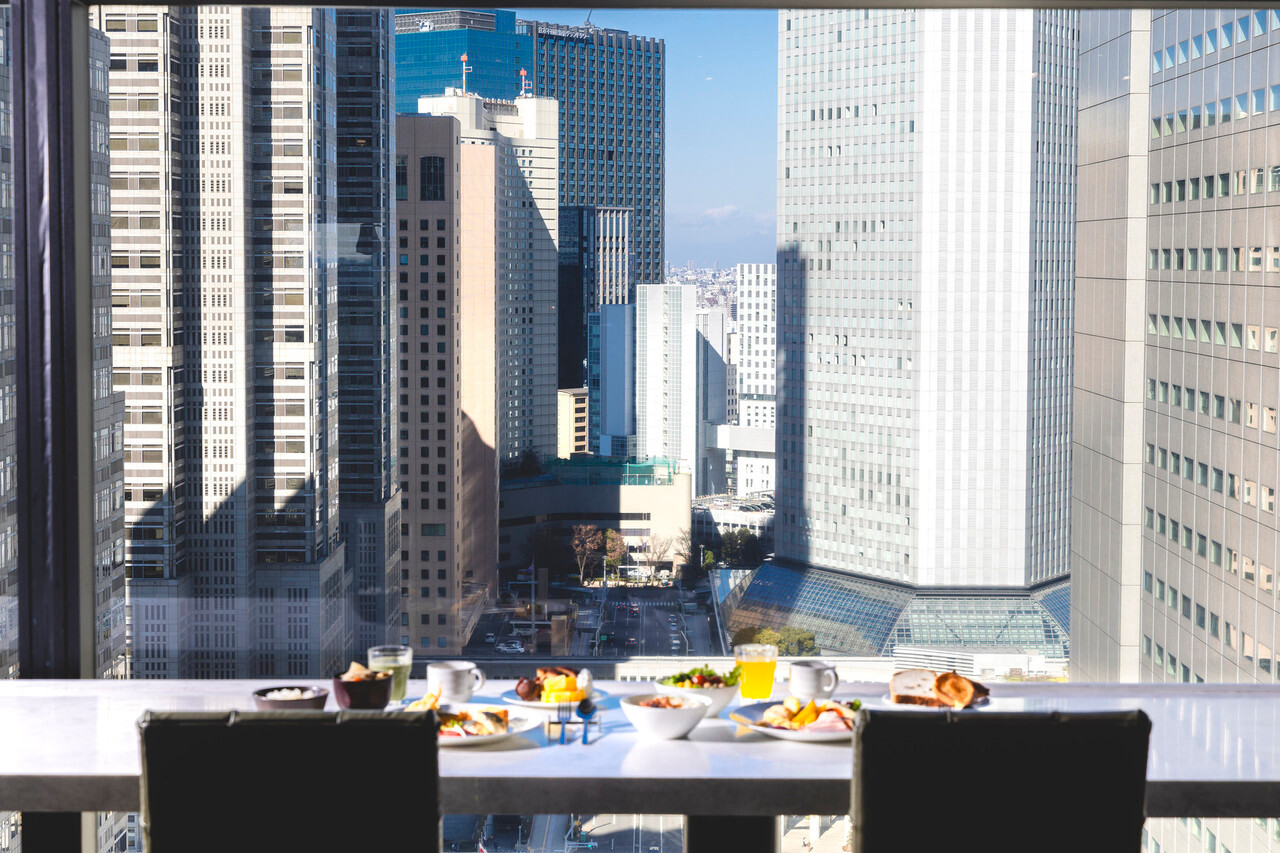
Die meisten Besucher Tokios zahlen 2.000–3.500 Yen für Skyline-Plattformen. Gäste des Shinjuku Washington Hotel gehen 400 Meter und fahren mit dem Aufzug weiter frei. Das Tokyo Metropolitan Government Building (TMG, 都庁) – das Rathaus mit seinen Zwillingstürmen, das den Mittelpunkt von Nishi-Shinjuku bildet – verfügt auf seiner 45. Etage über kostenlose öffentliche Aussichtsplattformen mit weitreichender Aussicht Tokyo Tower, Tokyo Skytree und an klaren Wintertagen der Berg Fuji. Dies ist der Hinterhof des Hotels und verdient einen Plan. 🗼
🔭 Die Aussichtsplattformen: Was Sie tatsächlich sehen
TMG bietet zwei Deckstandorte – Nord und Süd – im 45. Stockwerk (202 m Höhe). Der Nord-Aussichtsplattform ist diejenige, die 400 m vom Hotel entfernt ist (Trip.com listet sie als Hauptattraktion in dieser Entfernung auf), und diejenige, die Gäste als 10-minütigen Spaziergang bezeichnen. Aus den Fenstern:
- 🌅 Morgen: Klares Licht auf der Shinjuku-Wolkenkratzerschlucht unten – dieselben Türme, die Ihr Hotelzimmerfenster einrahmen, jetzt von oben gesehen.
- 🌇 Sonnenuntergang: die Stadt färbt sich im Westen bernsteinfarben; Silhouetten des Tokyo Tower im Süden.
- 🌃 Abend: Das Deck bleibt bis in die Nacht geöffnet (je nach Saison bis etwa 22:00–23:00 Uhr). Skytree und Tower Neon säumen das Becken. 🌃
- 🗻 Klare Tage (am besten Dezember–Februar): Der Berg Fuji schwebt am Horizont – das am besten fotografierbare freie Objekt in Shinjuku.
| Detail | Info |
|---|---|
| 📍 Entfernung vom Hotel | 400 m – 10 Minuten zu Fuß |
| ¥ Eintrag | Kostenlos (kostenpflichtiges Café/Bar oben) |
| ⏱ Typischer Besuch | 30–45 Minuten |
| 🛗 Aufzug | Direkte 45F-Fahrt von der 1F-Lobby |
| 📸 Beste Foto-Slots | Sonnenuntergang ±1 Stunde; Morgen für Fuji |
🌳 Shinjuku Chuo Park: Der 210 Meter lange Green Escape
Gehen Sie 210 m – drei Minuten – und die Betonschlucht öffnet sich Shinjuku Chuo Park, der Mittags-Picknickrasen des Bezirks. Trip.com listet es als die dem Hotel am nächsten gelegene Attraktion auf. Es funktioniert wie folgt:
- 🍱 Konbini-Picknick-Hauptquartier: Kaufen Sie FamilyMart-Artikel im ersten Stock des Hotels, gehen Sie hinüber und holen Sie sich eine Bank. Mittagessen zum Nullpreis im Restaurant mit Skyline-Kulisse. 🍙
- 👶 Familiendekompression: Spielgeräte und eine offene Rasenfläche absorbieren die Energie geplagter Kinder besser als jede Indoor-Attraktion.
- ⛲ Der Rokkakudo: das historische achteckige Wasseraufbereitungsgebäude der alten Yodobashi-Kläranlage – eine kleine historische Kuriosität, die die meisten Besucher vermissen.
- 🌸 Saisonale Farbe: Frühlingskirschbäume und Herbstlaub verleihen dem Park zwei Spitzfenster, die perfekt zu den Hotelzimmern im Obergeschoss passen.
🏢 Der Skyscraper Canyon: Architektur, durch die man geht
Nishi-Shinjuku war Japans erstes geplantes Hochhausviertel, und der Spaziergang vom Hotel zum Bahnhof ist praktisch eine kostenlose Architekturtour: die beiden TMG-Türme (mit ihren berühmten gekerbten Profilen), die Türme Sumitomo und Shinjuku Center, die Opernstadt Tokyo Opera City mit ihrem Konzertsaal und gläserne Atrien, die Sie betreten können, ohne etwas zu kaufen. An feuchten Sommertagen und an kalten Wintertagen machen die unterirdischen Gänge und die miteinander verbundenen Hallen das gesamte Viertel bequem und klimatisiert begehbar – das gleiche geschützte Netzwerk, das 480 m von Ihrem Zimmer entfernt mit der Tochomae-Station verbunden ist. ❄️
🍱 Essen rund um die West Side
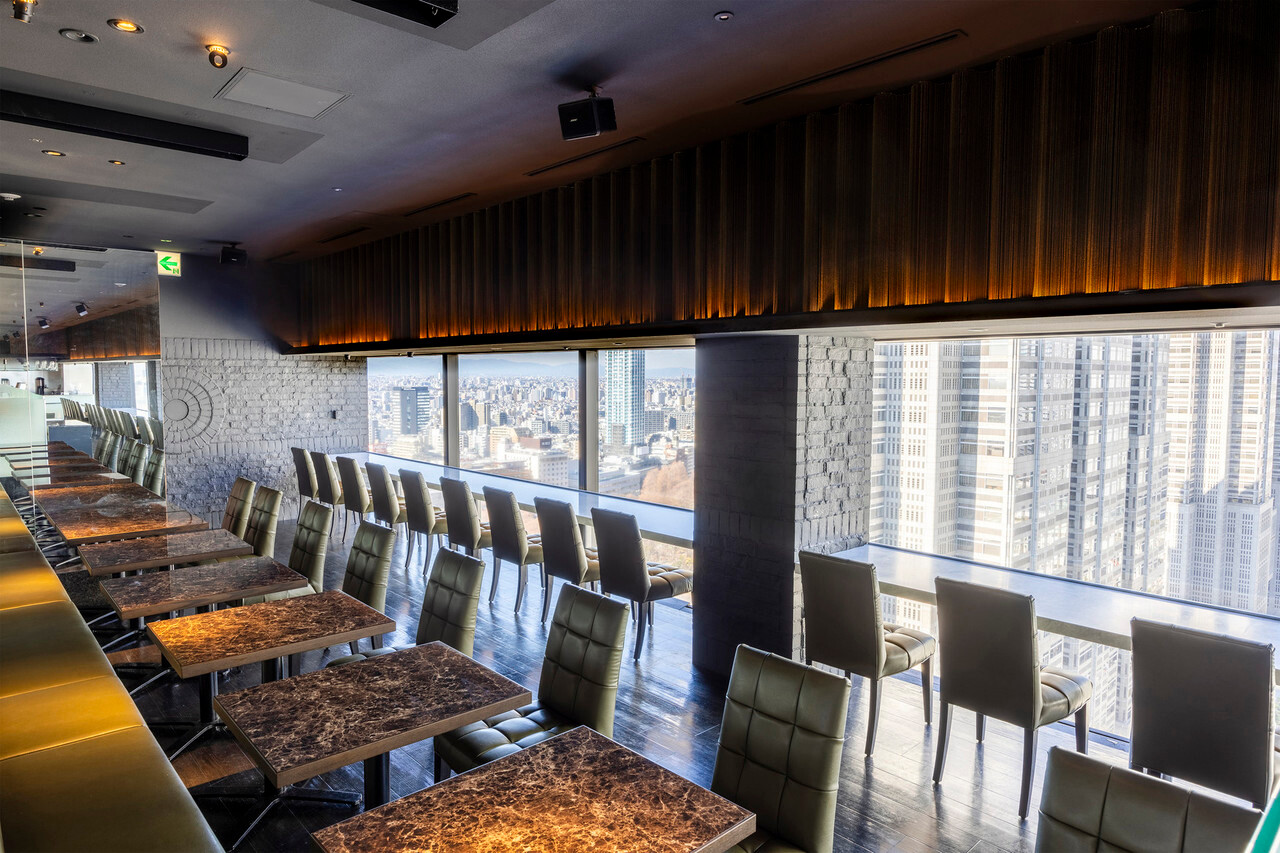
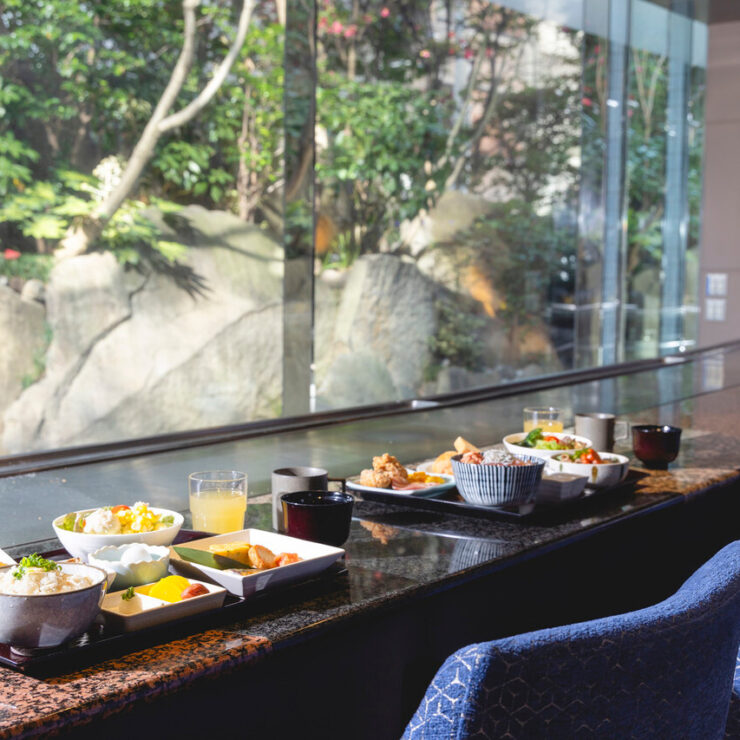
Die Essensszene von West Shinjuku versteckt sich in den Kellern der Bürotürme und im Hotelkomplex selbst. Ihre Möglichkeiten, nicht zu Fuß zu gehen: die ca. 15 hoteleigenen Veranstaltungsorte (Manhattan Table auf 25F für Skyline-Dinner, Fujita für japanische Grillgerichte, das Cluster im Untergeschoss) sowie der rund um die Uhr geöffnete FamilyMart. Ein kurzer Spaziergang fügt hinzu Sky Lounge Aurora (440 m – Barkultur mit Nachtblick) und die Cafeterias im Büroturm, die ihre Mittagsbuffets an Wochentagen für etwa 1.000 Yen für die Öffentlichkeit öffnen – ein Insider-Trick in Tokio für hochwertiges Essen zu einem günstigen Preis. 🍴
| Veranstaltungsort | Distanz | Warum gehen |
|---|---|---|
| Manhattan Table (25F Hotel) | Im Gebäude 🌃 | Skyline-Frühstücksbuffet/Abendessen; Wochenendbrunch bis 11:00 Uhr |
| Sky Lounge Aurora | 440 m | Klassische Nachtbar zwischen den Türmen |
| Mittagsbuffets im Büroturm | 300–600 m | Weekday ¥1,000-class spreads in 40th-floor canteens |
| Omoide Yokocho | 1,3 km | Cross to the east side at night for yakitori alley atmosphere |
🕖 A Perfect West-Side Half Day (Morning Arrival or Jet-Lag Day)
- 1️⃣ 12:00 — Drop bags at the hotel’s free storage; konbini picnic to Chuo Park (210 m). 🧳
- 2️⃣ 13:30 — Skyscraper canyon walk toward TMG, photographing the twin towers’ profile. 🏢
- 3️⃣ 14:30 — North Observation Deck (400 m): learn Tokyo’s geography in 40 minutes — the map-study that makes every following day easier. 🔭
- 4️⃣ 15:45 — Back to the hotel; check in from 14:00, shower, rest. 🛌
- 5️⃣ 17:30 — Sunset drinks at Sky Lounge Aurora or Manhattan Table’s 25F bar. 🍹
- 6️⃣ 19:00 — Easy dinner in the hotel basement cluster; sleep early for a full Day-2 start. 😴
💡 Photo tip: the Fuji shot happens mornings in winter air — check the deck’s clear-day board at the hotel concierge (3F) or simply look west from Chuo Park at 08:00. Two weeks of December often deliver it daily.
⏰ Hours, Seasons and Practical Deck Details
The decks generally run daytime through evening — roughly 09:30–22:00 (North deck; the South deck keeps its own schedule and occasionally closes for maintenance or private events). Two operational realities worth knowing:
- 🔁 Decks close ~2–4 days a month for maintenance and event bookings — check the TMG website board the night before, or ask the hotel concierge (3F) who field this question constantly. 🗓
- 🌤 Weather windows matter more than time slots: December–February mornings deliver Fuji; summer hazes hide it entirely. The deck’s ownMt Fuji forecast board (also online) does the guessing for you. 🗻
- 🎫 Security line at the elevator: a quick bag check; evening sunset slots (Nov–Jan ~16:30–17:30) queue 10–20 minutes — arrive 30 early or go at 09:45 opening. 🛗
- 🌙 Night contrast: the deck looks down on the hotel block’s quiet canyon; the east-side neon sprawl sits a 20-minute visual sweep away — the same geography your itinerary crosses on foot. 🌃
🎭 Beyond the Deck: Opera City & the Cultural Strip
The west-side towers hold cultural anchors most visitors overlook. Tokyo Opera City (a few minutes’ walk south) contains a world-class concert hall and free-rotation art gallery floors; the New National Theater opera house sits beside it; and the Sumitomo Building’s triangle atrium hosts seasonal light installations. None require reservations for the public spaces — they simply fill the 60 minutes around your deck visit. 🎻
Pair the TMG deck with: Opera City gallery (60–90 min) → office-tower lunch buffet (weekday, ~¥1,000) → Chuo Park lawn (210 m) — a complete west-side half-day that costs almost nothing beyond lunch. 💴
📸 A Mini Photography Guide for the Deck
| Shot | When | Where on Deck |
|---|---|---|
| 🗻 Mt Fuji horizon | Clear winter mornings 07:30–09:30 | West-facing windows |
| 🌃 Skytree + tower nightscape | 19:00–21:00 any season | East windows |
| 🏙 Canyon-of-towers verticals | Golden hour | South windows |
| 🌉 Rainbow Bridge lights | Clear evenings | South-east corner |
Shoot through glass: press the lens close, kill the flash, and a jacket pressed against the frame kills reflections. Tripods are not allowed; elbows are. 📱
🌸 The West Side Through Four Seasons
The same block changes costume four times a year — the reason return guests pick this hotel rather than hopping districts:
| Season | What Happens Around the Hotel | Best Hour |
|---|---|---|
| 🌸 Spring (Mar–Apr) | Chuo Park’s cherry rows bloom; Gyoen’s 1.5 km sakura festival is a 20-min walk; petals on the canyon walkways | 07:30 park walk |
| 🌧 Early summer (Jun–Jul) | Rainy season — the sheltered Tochomae walkway earns its reputation; hydrangeas at Gyoen | Deck between showers |
| 🍁 Autumn (Oct–Nov) | Chuo Park ginkgo gold; TMG deck’s clearest pre-winter air; foliage day-trips peak | Deck 16:30 sunset |
| ❄️ Winter (Dec–Feb) | Shinjuku illuminations along the canyon; Fuji visible from the free deck; quietest hotel pricing of the year | Park 08:00 for Fuji |
Practical translation: whatever month you visit, the free surroundings supply one memorable seasonal hour per day without a single train ride — an uncommon luxury for a big-city hotel. 🎌
💡 Illumination note: the December light-up along the Nishi-Shinjuku promenades (tower bases and Chuo Park edges) runs roughly dusk–22:00 — a free post-dinner stroll that ends at the lobby door. 🎄
♿ Accessibility & Comfort Notes
The deck and its surroundings are among the most accessible sightseeing spots in Tokyo — worth knowing for mixed-ability groups:
- ♿ Step-free all the way: the walk from the hotel crosses level plazas and signalized crossings; the tower lobby, elevators and deck floor are fully wheelchair-navigable, with accessible washrooms on the deck level. 🛗
- 👶 Strollers welcome: the security line waves them through; elevators are dedicated (no stairs anywhere in the visit).
- 🧏 Quiet-friendly: weekday mornings run nearly silent — suitable for visitors who find Tokyo’s sensory load heavy; the Chuo Park exit gives instant green relief. 🌳
- 🪑 Seating: window benches line the deck; sunset slots fill them — go mornings if standing through queues is a no-go.
Combine with the hotel’s own step-free access, 3F massage chairs and the sheltered walkway, and the west side becomes the lowest-effort full-day outing in the Shinjuku portfolio — a genuine consideration for parents with strollers, older parents, or anyone on a recovery day between big walking days. 🧘
❓ Frequently Asked Questions: TMG & West Shinjuku
🗼 The best free view in Shinjuku is a 10-minute walk from your room — book the hotel that owns the postcode on Trip.com. 🏨
 English
 Japanese
 Korean
 Chinese
 German
 Spanish
 French
 Thai
 Russian