Mount Fuji, or Fuji-san as it’s lovingly called in Japan, is more than just a mountain—it’s an iconic symbol of Japan, a UNESCO World Heritage Site, and a bucket-list destination for adventurers and nature lovers alike. Rising 3,776 meters (12,389 feet) above sea level, Mount Fuji is Japan’s tallest peak and offers a once-in-a-lifetime experience for those who dare to climb it. Whether you’re an experienced hiker or a first-time climber, this guide will provide you with everything you need to know to conquer Japan’s majestic mountain.

1. Planning Your Climb: When, Where, and How
Climbing Mount Fuji requires careful planning to ensure a safe and enjoyable experience. Here’s what you need to know before setting out.
When to Climb
The official climbing season for Mount Fuji runs from early July to early September, when the weather is mild, trails are open, and mountain huts are operational. Climbing outside this season is strongly discouraged due to harsh weather conditions and the risk of avalanches.
- Peak Season: Late July to mid-August is the busiest time, coinciding with Japan’s summer holidays. Expect crowds on the trails and at the summit.
- Off-Peak: Early July or late August offers fewer crowds, but weather conditions can be unpredictable.
Choosing Your Trail
Mount Fuji has four main climbing routes, each with its own starting point, difficulty level, and unique features:
- Yoshida Trail (Most Popular)
- Starting Point: 5th Station (Subashiri Trailhead)
- Best for beginners due to its well-maintained path and numerous mountain huts.
- Offers sunrise views during the climb.
- Subashiri Trail
- Starting Point: Subashiri 5th Station
- A quieter trail with a mix of forested paths and volcanic terrain.
- Joins the Yoshida Trail near the summit.
- Gotemba Trail (Longest and Least Crowded)
- Starting Point: Gotemba 5th Station
- Known for its challenging length and fewer facilities.
- Ideal for experienced climbers seeking solitude.
- Fujinomiya Trail (Shortest Route)
- Starting Point: Fujinomiya 5th Station
- Steep and direct, making it the quickest way to the summit.
- Popular among seasoned hikers.
Deciding on a One-Day or Two-Day Climb
- One-Day Climb: Suitable for experienced hikers with good fitness levels. Typically starts in the early morning and finishes in the evening.
- Two-Day Climb: The most popular option, allowing climbers to rest overnight at a mountain hut and reach the summit for sunrise (known as Goraiko).

2. What to Pack: Essentials for a Successful Climb
Packing the right gear is crucial for a safe and comfortable climb. Here’s what you’ll need:
Clothing
- Layered Clothing: Temperatures can drop below freezing near the summit, even in summer. Wear moisture-wicking base layers, a fleece or insulated jacket, and a waterproof outer layer.
- Sturdy Hiking Boots: Ensure they’re broken in to avoid blisters.
- Gloves and Hat: Essential for warmth and protection against the wind.
- Rain Gear: Weather on Mount Fuji can change rapidly, so pack a waterproof jacket and pants.
Gear
- Backpack: A lightweight, comfortable backpack to carry your essentials.
- Headlamp: Vital for night climbs and early morning ascents.
- Trekking Poles: Helpful for stability, especially on steep or rocky sections.
- Reusable Water Bottle: Stay hydrated by refilling at stations along the trail.
- Snacks and Energy Bars: High-energy foods to keep you fueled during the climb.
- Cash: Mountain huts and vending machines only accept cash, and prices increase as you ascend.
Optional Items
- Oxygen Canisters: Useful for preventing altitude sickness.
- Summit Certificate Fee: Bring extra cash if you want to purchase a certificate to commemorate your climb.
- Camera: To capture the breathtaking views.
3. The Climbing Experience: What to Expect on the Trail
Starting Your Journey
Most climbers begin their ascent from one of the 5th Stations, which are accessible by bus from major cities like Tokyo or Kawaguchiko. These stations serve as the starting point for the trails and are equipped with restrooms, shops, and restaurants.
Climbing to the Summit
- Altitude Sickness: The air gets thinner as you climb, so pace yourself and take breaks to acclimatize.
- Trail Conditions: Expect a mix of gravel, rocks, and volcanic ash. Trails can be steep and slippery in places, so tread carefully.
- Mountain Huts: These huts offer basic accommodations, food, and drinks. Reservations are recommended, especially during peak season.
Reaching the Summit
The final stretch to the summit is the most challenging but also the most rewarding. Once you reach the top, you’ll be treated to panoramic views of Japan and, if timed correctly, a breathtaking sunrise. Don’t forget to explore the crater rim, known as Ohachi Meguri, for a complete summit experience.
4. Descending Safely: The Journey Down
Descending Mount Fuji can be just as challenging as climbing it. The trails are often steep and covered in loose gravel, so take your time and use trekking poles for stability. The descent typically takes 3-5 hours, depending on the trail.
5. Practical Tips for a Successful Climb
- Start Early: Begin your climb early in the day to avoid crowds and give yourself plenty of time to reach the summit.
- Stay Hydrated: Drink water regularly to prevent dehydration and altitude sickness.
- Listen to Your Body: If you experience severe altitude sickness symptoms, consider descending immediately.
- Respect the Mountain: Carry out all trash, follow designated trails, and be mindful of other climbers.
- Check the Weather: Monitor the forecast and be prepared to adjust your plans if conditions are unfavorable.
6. Beyond the Climb: Exploring the Surrounding Area
If you have extra time, explore the areas around Mount Fuji for additional adventures:
Fuji Five Lakes (Fujigoko)
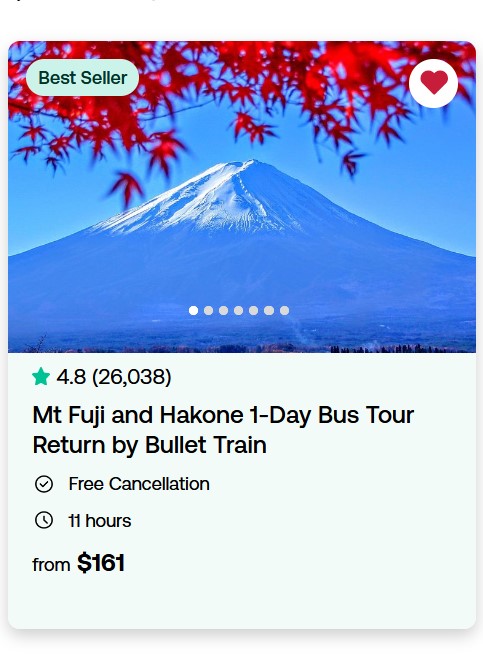
- Located at the base of Mount Fuji, this scenic area includes lakes Kawaguchiko, Saiko, Yamanakako, Shojiko, and Motosuko. Enjoy boating, fishing, or simply soaking in the views.
Hakone
- Famous for its hot springs, museums, and views of Mount Fuji, Hakone is a great place to relax after your climb.
Gotemba Premium Outlets
- Shop for discounted luxury goods with Mount Fuji as your backdrop.
7. Cultural Significance of Mount Fuji
Mount Fuji holds deep cultural and spiritual significance in Japan. It has been a source of inspiration for countless artists, poets, and pilgrims throughout history. Climbing Fuji-san is not just a physical challenge but also a spiritual journey, offering a chance to connect with Japan’s natural beauty and cultural heritage.
Final Thoughts
Conquering Mount Fuji is a challenging yet rewarding experience that offers unforgettable memories and breathtaking views. With proper preparation, the right gear, and a sense of adventure, you can successfully climb Japan’s most iconic mountain. So lace up your boots, pack your backpack, and get ready—Fuji-san awaits!


 English
 Japanese
 Korean
 Chinese
 German
 Spanish
 French
 Thai
Thai Russian