

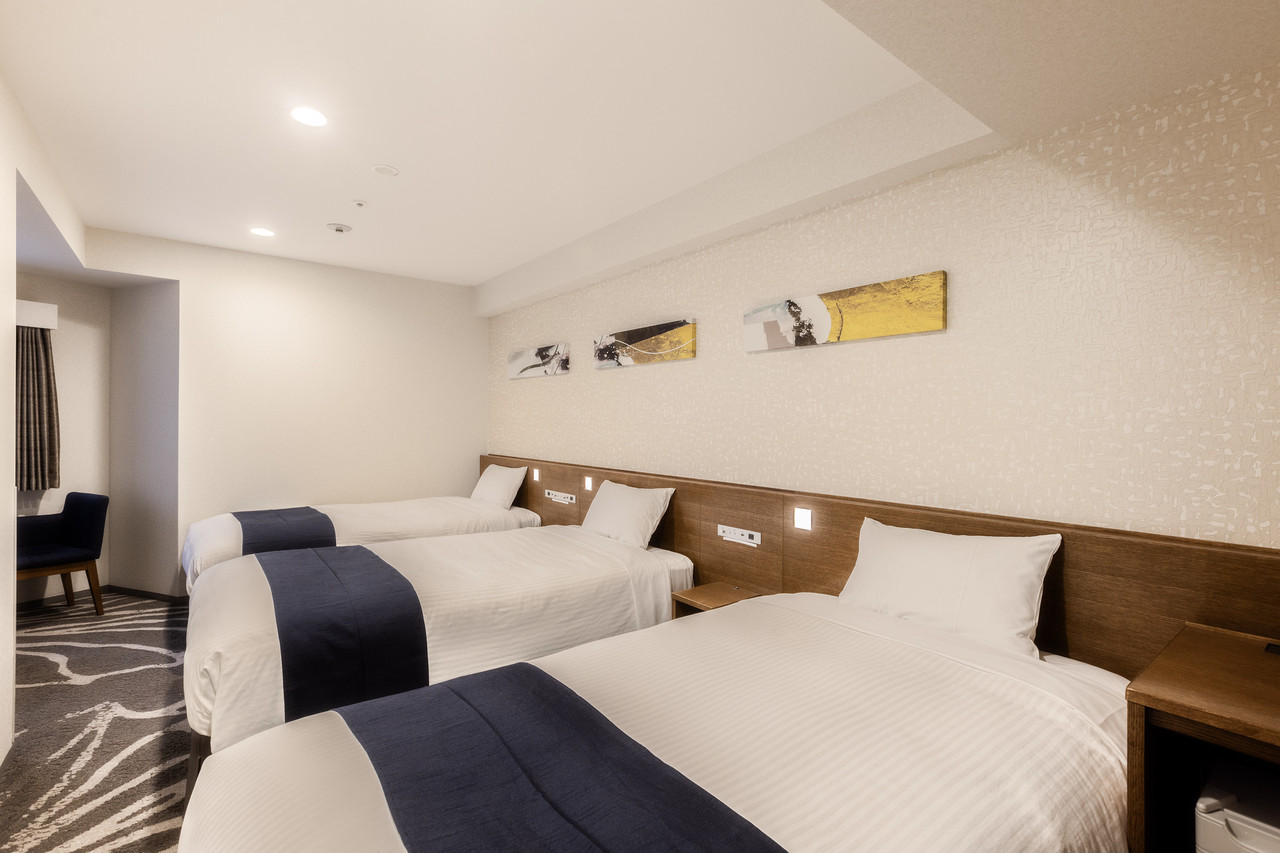
Three days is the sweet spot for a first Tokyo visit: enough time to cover the classic loop without the schedule collapse that comes from over-scheduling. This itinerary is built specifically around the Shinjuku Washington Hotel — every day starts and ends within 810 m of your bed, uses the Yamanote loop’s absurd convenience, and puts the hotel’s own amenities (25th-floor dining, konbini, storage) to work as logistics tools. 🗾
🧭 The Design Logic (Why This Order Works)
Three principles shape the plan:
- 1️⃣ Hub-and-spoke: Shinjuku sits mid-loop on the Yamanote line — Tokyo Station 14 min, Shibuya 7 min, Harajuku 6 min. Nothing requires more than one transfer.
- 2️⃣ West-side evenings: the hotel’s neighborhood (TMG decks, Sky Lounge Aurora, Omoide Yokocho’s glow 1.3 km east) gives nights structure without late-night cross-city slogs. 🌃
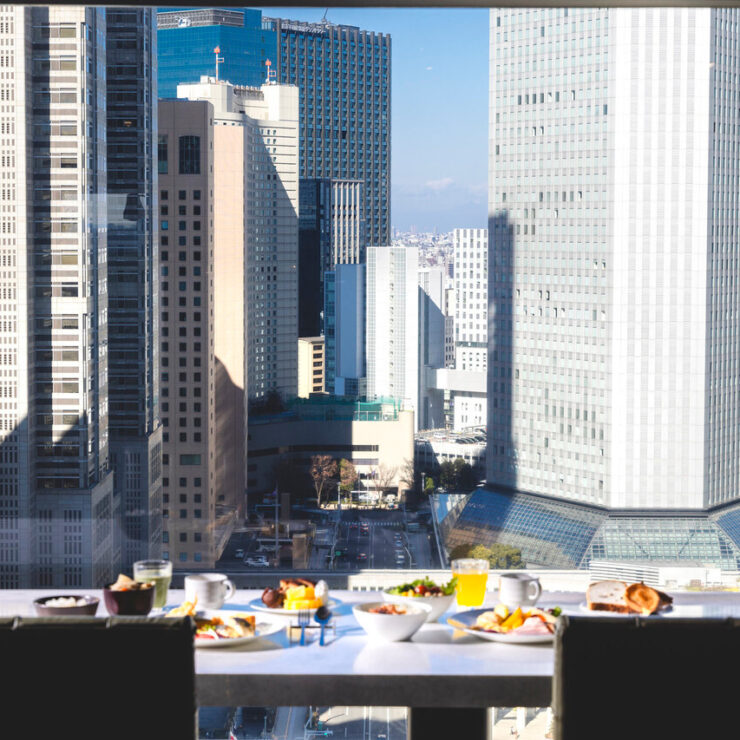
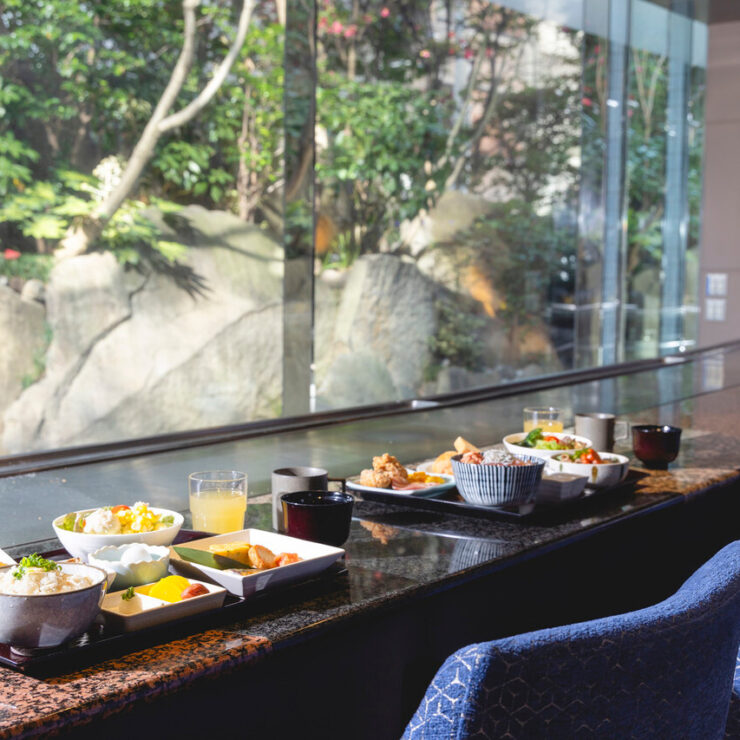
- 3️⃣ Morning logistics: the 24-hour FamilyMart downstairs + breakfast buffet (07:00 weekdays) mean zero morning friction — eat at 07:30, be on a train by 08:30. 🍙
📅 Day 1 — Tokyo Icons: Imperial Palace, Ginza, Tokyo Bay
早晨: JR Chuo Line rapid from Shinjuku to Tokyo Station (~14 min). Walk the Imperial Palace East Gardens (free, 6.5 km from the hotel — but the train shrinks it), then descend into the station’s Character Street and Ramen Street for lunch. 🍜
Afternoon: Ginza’s flagship blocks (Uniqlo 12F, Itoya stationery, department-store basements) — 3.9 km direct but two stops away on foot from Tokyo Station. Then the JR Keiyo line to Toyosu/Teamlab or the Yurikamome loop over Rainbow Bridge into Odaiba for the bayfront sunset. 🌉
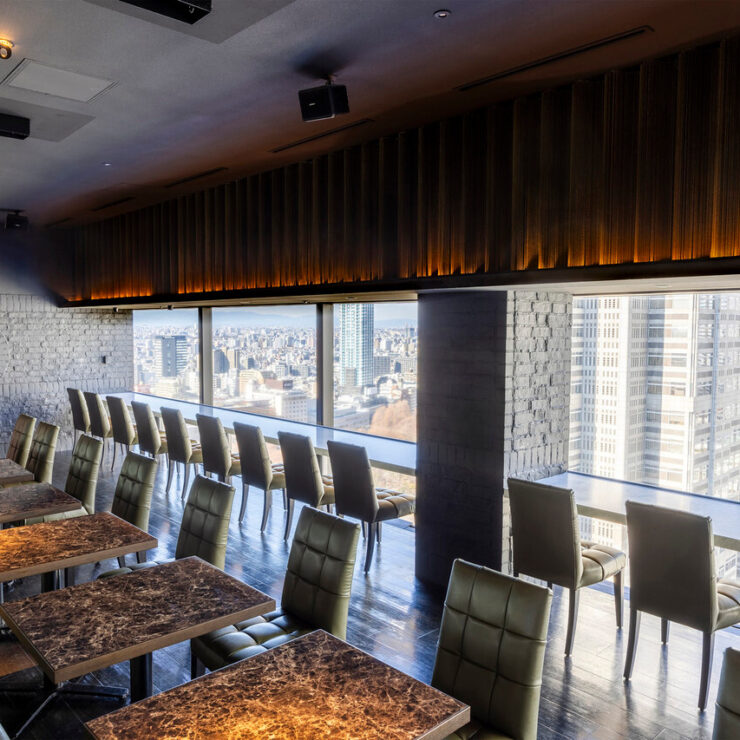
晚上: Yurikamome back to Shimbashi → JR back to Shinjuku (a loop view of the skyline at night). Dinner west-side: the hotel’s 25F Manhattan Table or the basement cluster; nightcap at Sky Lounge Aurora (440 m). 🍹
| Block | 移动 | 时间 |
|---|---|---|
| 09:00 🍙 | Breakfast buffet or FamilyMart | 30 min |
| 10:00 🚆 | Chuo Line to Tokyo Station | 约 14 分钟 |
| 10:30 ⛩ | Imperial Palace East Gardens | 90 min |
| 12:30 🍜 | Ramen Street lunch (Tokyo Station) | 60 min |
| 14:00 🛍 | Ginza flagship walk | 2 h |
| 16:30 🌉 | Odaiba via Yurikamome | 2 h + sunset |
| 19:30 🍴 | Return; dinner at 25F Manhattan Table | — |
📅 Day 2 — Asakusa, Ueno & the East-Side Classic
早晨: Toei Oedo Line from Tochomae (480 m, sheltered walk) to Daimon, transfer Asakusa Line → Senso-ji Temple by 09:00 before tour groups land (~25 min total). Nakamise shopping street, then a rooftop view of the temple from the Asakusa Culture Center across the street. ⛩
Afternoon: Walk or one hop to 上野公园 — museums, pond boats, Ameyoko market street for grazing. Continue to 秋叶原 for electronics/anime culture if that is your lane. 🎮
晚上: Return via Yamanote to Shinjuku, then east on foot (1.3–1.5 km) for the night district: 思出横丁‘s yakitori smoke, Kabukicho’s neon (1.4 km), Golden Gai’s 200-bar lanes (1.5 km). All three are walkable back to the hotel in 18–20 minutes — or the covered route in rain. 🏮
📅 Day 3 — Harajuku, Meiji Jingu & Shibuya Sunset
早晨: JR Yamanote to Harajuku (6 min). Meiji Jingu’s forest approach opens at sunrise — go early, the shrine is Tokyo’s deepest calm. 🌳 Takeshita Street for crepe-and-candy chaos on the exit side.
Afternoon: 沿着绿树成荫的猫街步行至 涩谷 (或山手站一站)。涩谷天空观景台可欣赏下午的景色(提前预订定时门票)、忠犬八公雕像和十字路口,直到您的双脚疲惫不堪。 🚸
晚上: 山手岛到新宿(7 分钟)。最后一晚的晚餐升级:日落时分在 25 层的曼哈顿餐桌上用餐,然后将酒店的洗衣/干洗退货打包,并在行李寄存区重新包装空间——评论家特别称赞其“有足够的空间来重新包装最后一刻购买的物品”。 🧳
🍱 三天膳食策略
| 一顿饭 | 默认计划 | 每人费用 |
|---|---|---|
| 🌅早餐 | 酒店自助餐(平日 07:00)或全家饭团 | 2,750日元或~500日元 |
| 🍱 午餐 | 车站下街(拉面/角色)、上野阿美横丁、中央公园便利店野餐 第一天替代方案 | 800 日元–1,500 日元 |
| 🍢 晚餐 | 第一晚:酒店25楼 · 第二晚:思出横丁 · 第三晚:酒店地下室或东侧挥霍 | 1,200日元~4,000日元 |
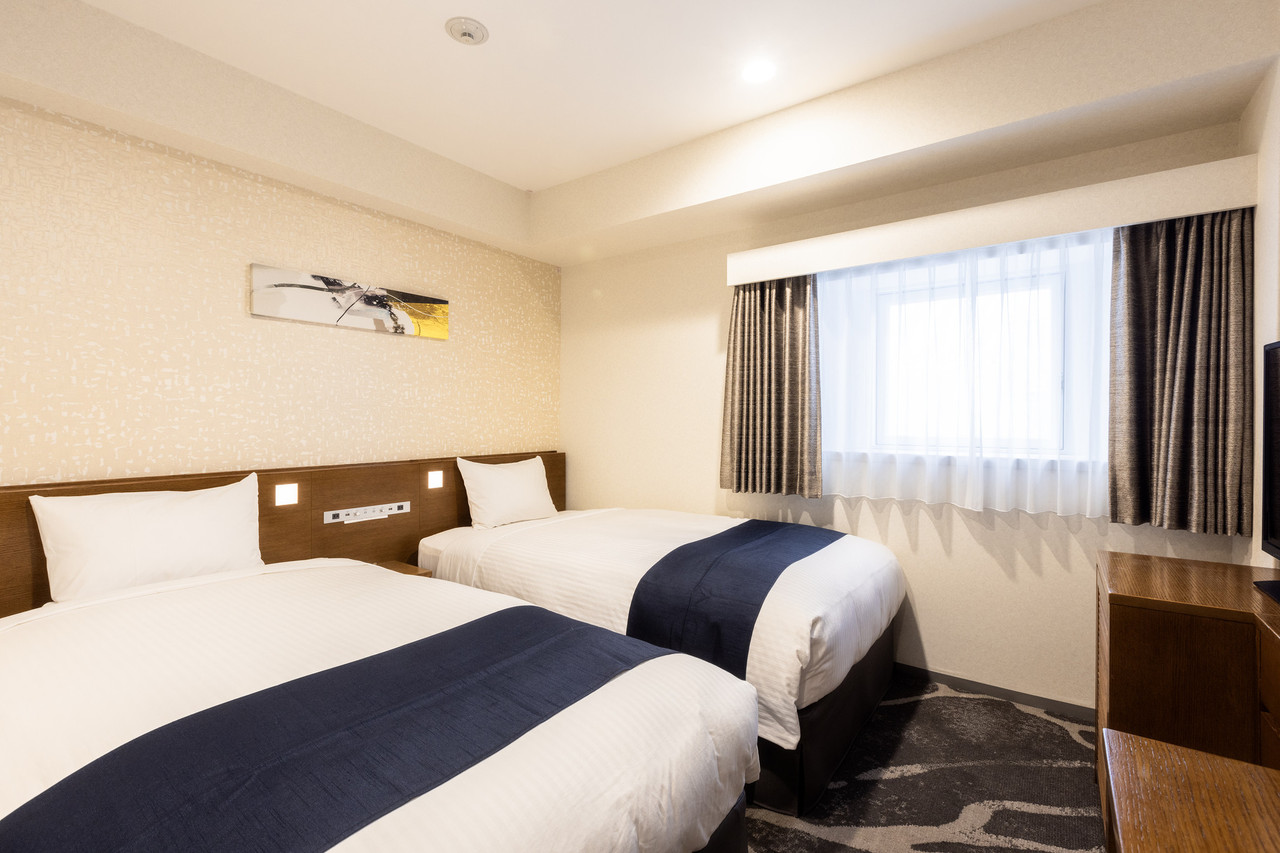
酒店自助餐的儿童价(3 至 6 人 770 日元,7 至 12 人 1,430 日元)让家庭经济更加轻松,大楼内的 FamilyMart 无需离开塔楼即可解决午夜小吃的紧急情况。 👶
🎒 让日子过得充实的物流
- 💳 每人一张 Suica/Pasmo 卡;敲击上面的每条腿。手机钱包版本可以使用。 📱
- 🧳 退房当天:免费行李寄存站投币式储物柜让11:00后可以进行最后的半天观光。 🎒
- 🌦 雨中枢纽:将室外街区换成 Teamlab、东京巨蛋(7.2 公里)或地下购物商场 - 有遮蔽的走道网络从您家门口开始。 ☔
- ⏰ 14:00入住/11:00退房:计划到达和离开的日期围绕存储区,而不是房间。 🛌
- 🎫 大型活动(东京巨蛋、代代木的音乐会)聚集在酒店 20 分钟内 - 请查看 Trip.com 的活动列表了解您的日期。 🎤
⏱ 每日时钟:每一天实际上是如何度过的
日本的景点奖励早起,惩罚中午的即兴发挥。让这三天保持诚实的节奏:
| 小时 | 标准日间搬迁 | 为什么 |
|---|---|---|
| 07:00–07:45 🍙 | 酒店自助餐/全家便利店 | 避免排队;列车平静至 08:00 |
| 08:30 🚆 | 第一轨段 | 寺庙/花园空无一人;照片干净 |
| 12:00🍜 | 在车站街边吃午餐 | 800-1,500日元,周转快 |
| 14:00 🛍 | 室内锚点(商场/博物馆) | 避免峰值紫外线 |
| 17:00 🌃 | 日落观景台 | 涩谷天空 / TMG / bay |
| 19:30 🍴 | 中转附近的晚餐 | 短途乘车回家 |
| 21:00🛌 | 西边风落 | 步行 8 分钟即可上床睡觉 |
在任何地方,时钟都会拨快一个小时,它会自动修正:新宿的环路位置意味着错过火车只需几分钟,而不是下午。这种弹性是这家酒店作为基地的真正理由。 🧘
➕ 延长至第 4 天或第 5 天(如果有的话)
Every extension below keeps the same hub, because the hotel’s Limousine bus stop makes airport re-entries painless:
- 🐠 Day 4 — Sumida & Skytree: Oedo→Asakusa line to Tokyo Skytree (~30 min); aquarium, Solamachi mall, then a Sumida river cruise toward the bay. 🚢
- 🏯 Day 5 — Kamakura or Hakone day trip: Odakyu Romancecar from Shinjuku to Hakone (~85 min, covered earlier on this site) or JR to Kamakura’s Great Buddha (~1 h). Both are classic add-ons the station puts within reach. 🗻
- ⛩ Half-day spare: Ikebukuro’s Sunshine City (10 min north) or the Meiji Memorial Picture Gallery walk — no-rush fillers within one stop. 🖼
The full Tokyo-week pattern: 3 itinerary days + 1 skytree/river day + 1 day trip, all returning nightly to the same quiet west-side bed. 🛌
💡 Booking rhythm: lock the hotel first with a free-cancellation rate, then arrange Shibuya Sky and Teamlab time slots (they sell out 1–3 weeks ahead in sakura and foliage seasons). Attraction timing beats everything else for schedule pain.
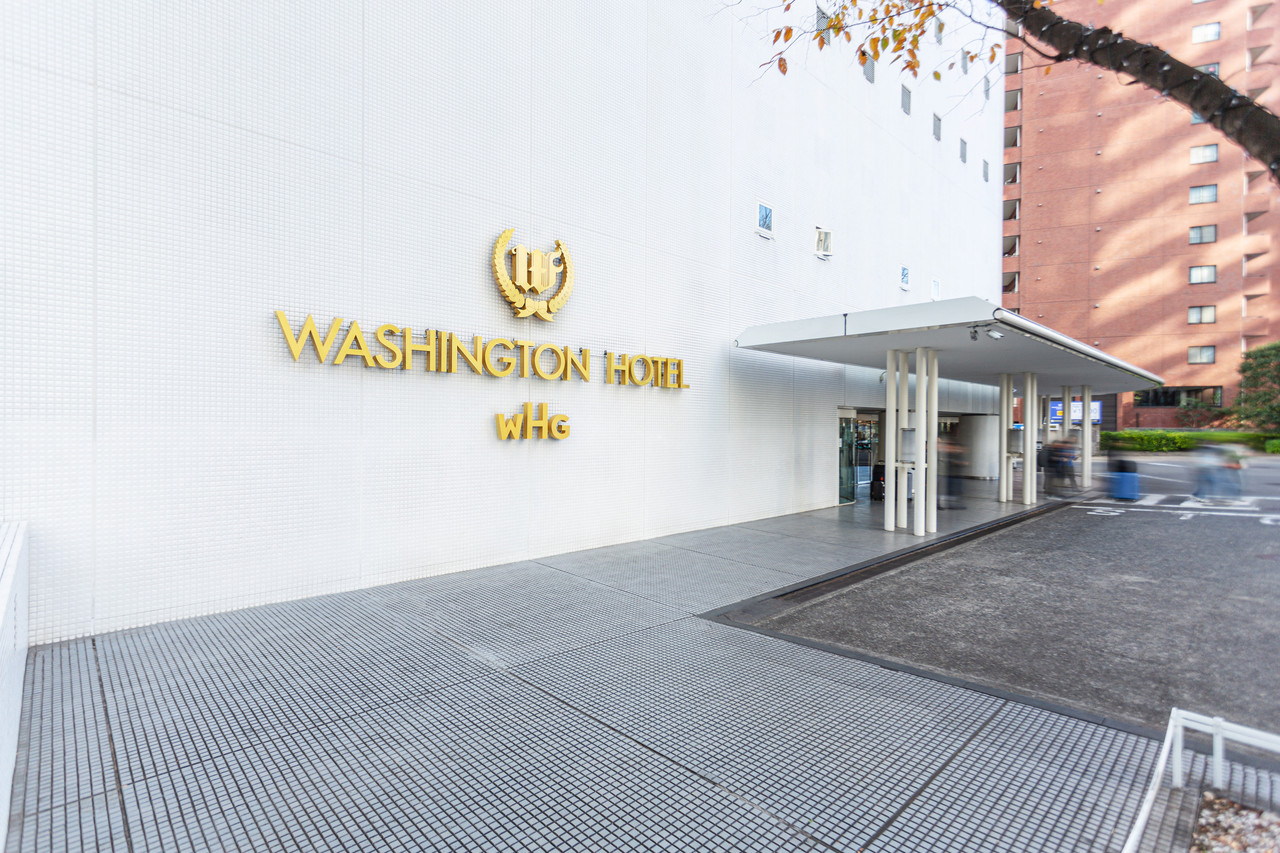
💰 Budget Breakdown for the Three Days
A transparent per-person budget (excluding hotel) so you can calibrate before flying:
| Category | Budget Style | Comfort Style |
|---|---|---|
| 🚆 Transport (3 days) | ~¥2,500–3,000 (IC card hops) | ~¥3,500 (occasional taxi hops) |
| 🌅 Breakfast ×3 | ~¥1,500 (FamilyMart) | ~¥8,250 (hotel buffet ×3) |
| 🍱 Lunch ×3 | ~¥2,700 (¥900 avg) | ~¥6,000 (¥2,000 avg) |
| 🍢 Dinner ×3 | ~¥4,500 (konbini + Omoide skewers) | ~¥12,000 (incl. 25F dinner) |
| 🎫 Attractions | ~¥3,000 (TMG free; parks free; Teamlab ticket) | ~¥6,500 (adds Shibuya Sky) |
| 🧾 Tokyo accommodation tax | ¥100–¥200 per guest per night, paid at hotel | |
The budget column proves the itinerary thesis: Tokyo’s best content is disproportionately free (palace gardens, Senso-ji, Meiji Jingu, crossings, parks, the TMG deck), and the hotel’s konbini-plus-buffet infrastructure lets you choose daily between saving and splurging without leaving the building. 🎯
💡 Cash reality: Japan is card-friendly at chains but still cash-loving in izakaya alleys and shrines. Withdraw ¥20,000–¥30,000 on day one (7-Eleven ATMs accept foreign cards and sit “just right around the corner” per reviews) and the rest of the trip runs friction-free. 💴
🧳 Luggage Strategy: The Three-Checkpoint System
A 3-day trip usually involves two hotel transitions (in on day 0, out on day 3) — here is how this specific property’s facilities turn both into non-events:
- 1️⃣ Arrival (pre-14:00): Limousine bus delivers bags to the curb → free storage room takes them → TMG deck + park while the room is readied. 🧳
- 2️⃣ Mid-trip purchases: Don Quijote (1.0 km), Isetan (1.3 km) and Yodobashi (700 m) hauls go straight to the room each evening — no locker fees, no carrying after dark. 🛍
- 3️⃣ Departure day: checkout 11:00 → bags to storage → final Shinjuku half-day → collect bags → board the airport Limousine from the same curb you arrived on. 🚌
Optional upgrade: takuhaibin-forward the suitcase straight from the hotel lobby to Haneda/Narita on departure morning (next-day) and fly home with a backpack — the service desks handle this routinely. 📦
💡 Timing note: storage runs first-come, not reserved — during New Year and sakura weekends it fills quickly after the 10:00 tour-bank arrivals. Drop bags before lunch on peak dates.
❓ Frequently Asked Questions: The 3-Day Plan
🗺 Three days, one hub, zero stress — reserve the Shinjuku Washington Hotel on Trip.com and run the plan. 🏨
 English
 Japanese
 Korean
 Chinese
 German
 Spanish
 French
 Thai
 Russian